 ultimate-guide
Can Pest Control Help Tree Health? A 2026 Guide
Table of Contents
- How Pest Control Directly Impacts Tree Health
- Signs of Tree Pest Infestation You Should Never Ignore
- Integrated Pest Management for Trees: A Smarter Approach
- Safe Pest Control for Trees and Pets: What Homeowners Need to Know
- When to Treat vs. When to Leave Your Trees Alone
- DIY vs. Professional Tree Pest Control: A Cost-Benefit Analysis
- Seasonal Pest Calendar: What to Watch for Month by Month
- Frequently Asked Questions
Last Updated: September 26, 2026
How Pest Control Directly Impacts Tree Health
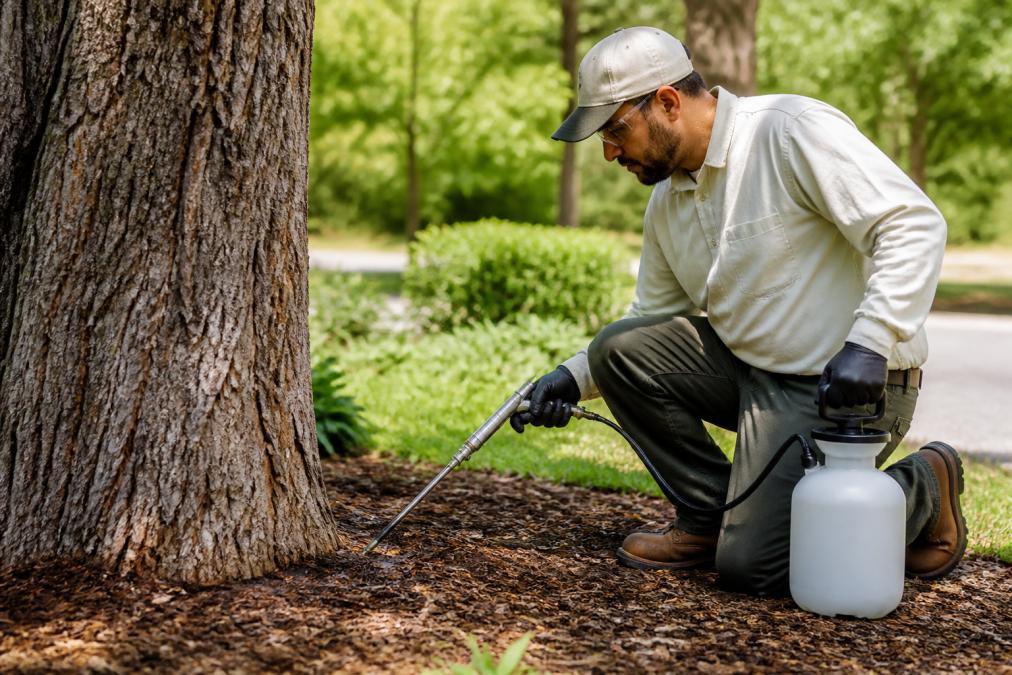
Can pest control help tree health? Yes, and often dramatically. Targeted pest control protects a tree's vascular system, canopy, and root zone before an infestation causes permanent damage. Early intervention can keep desert-adapted trees thriving through Arizona's brutal heat cycles.
Signs of Tree Pest Infestation You Should Never Ignore
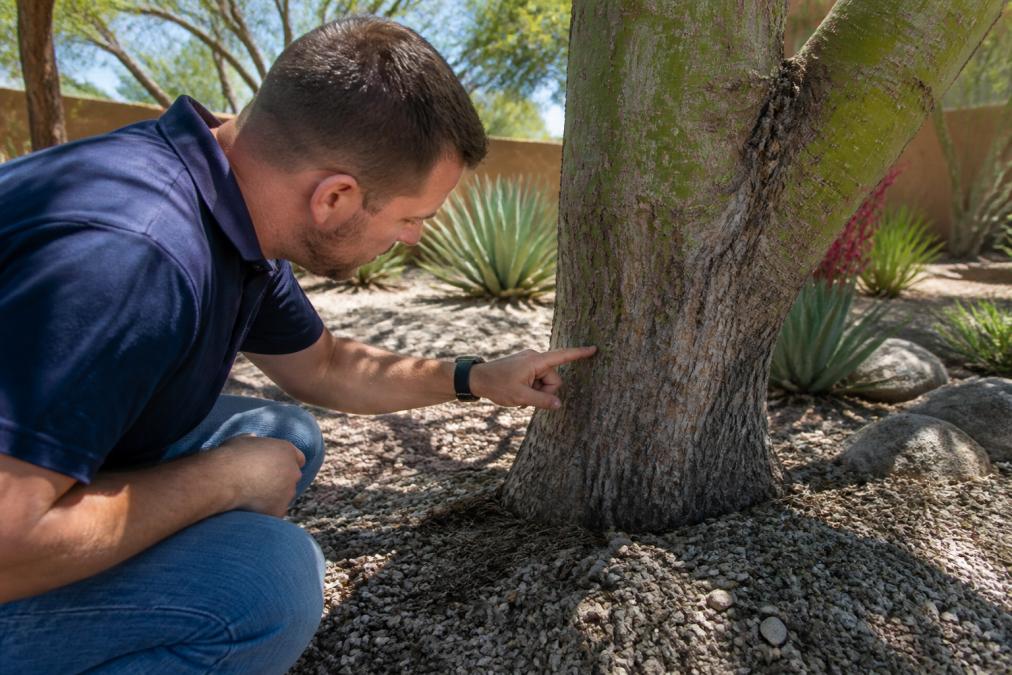
The earliest signs of tree pest infestation are easy to dismiss as seasonal quirks. By the time damage is obvious, boring insects may already be inside the trunk.
Above-Ground Symptoms: Leaves, Bark, and Branches
Watch for these visible warning signs:
- Thinning canopy or dieback at the top of the tree
- Small exit holes in bark, often with sawdust-like frass
- Sticky sap weeping from the trunk
- Premature leaf drop or yellowing outside normal seasonal timing
- Sooty mold or honeydew on leaves, a sign of sap-sucking insects
- Cracked or sunken bark patches
Defoliation is what people notice first, but boring insects and vascular pathogens often work silently for months before the canopy shows stress.
Below-Ground Clues: Root Damage and Soil Changes
Root problems rarely announce themselves. Instead, look for:
- Mushrooms or fungal growth near the root zone
- Soft, spongy soil around the base of the tree
- Sudden lean or instability
- Stunted growth compared to previous years
Soil moisture matters more than most homeowners realize. Overwatering and underwatering both weaken roots, inviting secondary pests and pathogens. A soil moisture probe tells you more than a visual inspection ever will.
Integrated Pest Management for Trees: A Smarter Approach
Integrated pest management for trees combines monitoring, biological control, cultural practices, and targeted chemical application only when thresholds are crossed. Pesticide is one tool, not the default.
The core steps:
- Monitor with regular inspections, especially during seasonal pest windows
- Identify the pest precisely, since treatments are species-specific
- Set thresholds for when action is genuinely needed
- Act with the least disruptive method first, such as biological control or dormant oil
- Evaluate results and adjust
Safe Pest Control for Trees and Pets: What Homeowners Need to Know
Safe pest control for trees and pets starts with product selection and application timing, not avoiding treatment altogether. Many modern treatments, including dormant oil and certain systemics, carry low risk when applied correctly and allowed to dry.
Practical safety steps:
- Keep pets and children away from treated areas until applications dry completely
- Ask exactly which active ingredients are being used, and how they're applied
- Choose targeted treatments over broad-spectrum sprays whenever possible
- Avoid applying insecticide during bloom when pollinators are active
When to Treat vs. When to Leave Your Trees Alone
Not every insect on a tree needs treatment. Treating unnecessarily is one of the most common mistakes we see.
| Situation | Action | Why |
|---|---|---|
| Minor aphid presence, healthy canopy | Monitor only | Beneficial insects usually handle it |
| Boring insect exit holes, declining canopy | Treat promptly | Vascular damage compounds fast |
| Seasonal leaf drop, no other symptoms | Leave alone | Often normal dormancy or heat response |
| Fungal growth at root zone, soft soil | Investigate and treat | Root rot spreads if ignored |
| Sap-sucking insects with sooty mold | Treat if widespread | Honeydew invites secondary problems |
DIY vs. Professional Tree Pest Control: A Cost-Benefit Analysis
Most guides on this topic are written by companies selling a service, so they skip the honest math. Here is a framework to consider when a homeowner asks whether they can handle a tree problem themselves.
The Real Cost of DIY
DIY is not free. It costs money, time, and diagnostic accuracy. A few realities:
- Retail products are limited. Garden centers sell dormant oils, horticultural soaps, and a narrow set of contact insecticides, but not the systemic trunk-injection products or restricted-use formulations licensed applicators can legally buy and apply.
- Timing is everything. A foliar spray applied two weeks off the pest's vulnerable life stage does almost nothing. Getting the window right requires knowing the species and its development cycle in your climate.
- Misdiagnosis is the most expensive mistake. Two boring insects on the same tree can require completely different treatments. Treat for the wrong one and you've spent money, lost a season, and let the real pest keep tunneling.
- Repeat applications add up. A homeowner who sprays three or four times a season for a problem one targeted professional treatment would resolve hasn't saved money, they've spent more, plus their weekends.
Where DIY Genuinely Wins
A lot of tree health work is DIY-friendly, and it's the cheapest pest control you'll ever do:
- Monitoring. Walking your trees once a week during the growing season and looking at the canopy, trunk, and root flare costs nothing and catches most problems early.
- Watering correctly. Deep, infrequent irrigation reaching the root zone does more for pest resistance than any spray. Drought-stressed trees are the ones that get hit.
- Mulching. A two-to-four-inch ring kept a few inches off the trunk conserves moisture and moderates soil temperature. Piling mulch against the trunk invites rot and pests.
- Sanitation. Raking up and disposing of fallen leaves and pruned material removes overwintering habitat for many pests and pathogens.
- Early removal of small, clearly infested branches. If you can reach it with pruners and identify the problem, removing it before the pest spreads is a legitimate DIY move.
Where Professional Care Pays for Itself
Professional value is diagnosis, access, and liability, not just labor:
Schedule a Free In-Home Estimate →
- Species-level identification. An arborist or licensed applicator can tell a native borer from an invasive one, which changes the entire treatment plan.
- Access to systemic treatments. Trunk injection and soil drench products that move through the tree's vascular system are largely unavailable at retail and require licensing to apply.
- Correct timing. Professionals track pest life cycles and local degree-day data, so applications land in the window that actually works.
- Liability and safety. When treatment happens near a structure, a neighbor's property, or a pollinator garden, licensing and insurance matter.
A Simple Decision Framework
Ask three questions before you decide:
- Can I see the pest, and do I know what it is? If yes and it is a surface pest on a small ornamental, DIY is reasonable. If no, get an inspection.
- Is the tree's structure or vascular system at risk? Boring insects, vascular wilt, and root rot are not DIY problems. Decline compounds fast.
- Is the tree large, valuable, or hard to replace? A mature shade tree is a decades-long investment. The cost of one professional diagnosis is trivial next to the cost of losing it.
The Bottom Line
DIY wins on prevention: monitoring, watering, mulching, sanitation. Professional care wins on diagnosis and treatment of anything inside the tree or threatening its structure. The most cost-effective approach is usually both, you handle prevention, and bring in a pro the moment something looks wrong.
Seasonal Pest Calendar: What to Watch for Month by Month
Pest pressure follows a predictable rhythm, and timing treatments to it beats reacting after damage appears. Use this as a working checklist through the year.
Late Winter (January-February)
- What is happening: Many pests overwinter as eggs or as dormant adults tucked into bark crevices and scale on twigs.
- What to do: This is the window for dormant oil applications, applied before bud break, to smother overwintering eggs and soft-bodied scale. Once buds open, the window closes.
- What to watch: Scale on twigs, egg masses on bark, and any cankers that became visible after leaf drop.
Early Spring (March-April)
- What is happening: New growth emerges and sap-sucking insects, aphids, mites, soft scale, colonize tender shoots.
- What to do: Scout new growth weekly. Hold off on broad-spectrum sprays so beneficial insects can establish.
- What to watch: Curled or sticky new leaves, honeydew, and the first sooty mold.
Late Spring (May)
- What is happening: Leaf-feeding caterpillars and beetles become active, and the first generation of many pests matures.
- What to do: Identify before treating. Many leaf-feeding insects cause cosmetic damage that a healthy tree outgrows.
- What to watch: Chewed or skeletonized leaves, webbing, and defoliation that exceeds what the canopy can replace.
Early Summer (June)
- What is happening: Boring insects become active, and heat stress begins to weaken trees at exactly the wrong moment.
- What to do: Inspect trunks and root flares closely. Look for exit holes, frass, and weeping sap. Irrigate deeply to reduce drought stress.
- What to watch: Sudden canopy thinning, sawdust-like frass at the base, and bark that looks sunken or cracked.
Mid to Late Summer (July-August)
- What is happening: Mite populations peak in dry heat, and spider mite damage accelerates on water-stressed trees.
- What to do: Check leaf undersides for stippling and fine webbing. Avoid dusty conditions around foliage, which favor mites.
- What to watch: Bronzed, stippled, or dull leaves that drop prematurely.
Early Fall (September-October)
- What is happening: Root and soil pathogen risk rises as irrigation and moisture patterns shift, and some pests prepare to overwinter.
- What to do: Reduce irrigation frequency as temperatures drop. Inspect the root flare for fungal growth or soft soil.
- What to watch: Mushrooms at the base, spongy soil, and dieback that appeared over the summer.
Late Fall (November)
- What is happening: Trees harden off for winter, and pests seek overwintering sites in bark and soil.
- What to do: Clean up fallen leaves and pruned material to remove overwintering habitat. Apply mulch correctly, keeping it off the trunk.
- What to watch: Egg masses on bark and any late-season cankers.
Winter (December)
- What is happening: Rodent and root-feeding activity increases, and structural problems become easier to see without foliage.
- What to do: Inspect the root zone and trunk base. Look for gnaw marks, girdling, and cavities.
- What to watch: Chewed bark near the soil line, unstable lean, and hollow sounds when tapping the trunk.
How to Use This Calendar
Do not treat on a fixed schedule. Use the calendar to know when to look, then let what you find, and proper identification, decide whether to act. Homeowners who keep trees healthy inspect on a rhythm and treat only when the pest and timing both call for it.
Frequently Asked Questions
Can a diseased tree be saved with professional treatment?
Many diseased trees can be saved if the problem is caught early. A certified arborist or pest control professional will assess the tree's vascular system and structural integrity. If the disease is localized, treatments like fungicides, trunk injections, or pruning can help. However, if the disease has spread through the root zone or more than 50% of the canopy is affected, removal may be the safest option. Early detection is key to a positive outcome.
How does integrated pest management improve tree health?
Integrated pest management for trees combines monitoring, biological control, and targeted chemical application to address pests without harming beneficial insects. This approach reduces tree stress, protects soil moisture, and supports long-term canopy health. By using techniques like dormant oil, mulching, and introducing beneficial insects, IPM builds systemic immunity and minimizes environmental impact. It's a sustainable way to maintain tree health care.
Is it safe to use insecticide on trees near my home?
Yes, when applied correctly by a licensed professional. Safe pest control for trees and pets involves choosing products with low toxicity, avoiding broad-spectrum insecticides, and following label instructions. Many modern treatments use systemic insecticides or trunk injections that target specific pests without drifting into your yard. Always ask about the chemicals used, their re-entry intervals, and whether they are safe for kids and pets.
How often should trees be inspected for pest infestations?
Trees should be inspected at least twice a year: once in early spring before pests emerge and again in late summer or early fall. In high-risk areas, quarterly inspections are recommended. Look for signs of tree pest infestation such as defoliation, boring insects, and canopy thinning. Regular monitoring helps you catch problems before they cause irreversible damage. A professional arborist can set up a preventative maintenance schedule tailored to your trees.