 how-to
Rodent Prevention Tips for Desert Homes: 2026 Guide
Table of Contents
- Why Rodent Prevention in Desert Homes Is Different
- How to Seal Home Entry Points Against Desert Rodents
- Signs of Rats in Walls: What to Listen and Look For
- Desert Landscaping Rodent Control That Actually Works
- Seasonal Rodent Prevention Calendar for Desert Homes
- When to Call a Professional for Rodent Exclusion
- Common Mistakes That Undo Your Rodent Prevention
- Frequently Asked Questions
Last Updated: October 1, 2026
Why Rodent Prevention in Desert Homes Is Different
Rodent prevention in desert homes is harder than in wetter climates because the desert itself pushes wildlife toward your walls. When the landscape dries out, rats and mice head indoors looking for water and shade. This guide from Local Choice Pest & Landscape Nutrition explains how to keep them out.
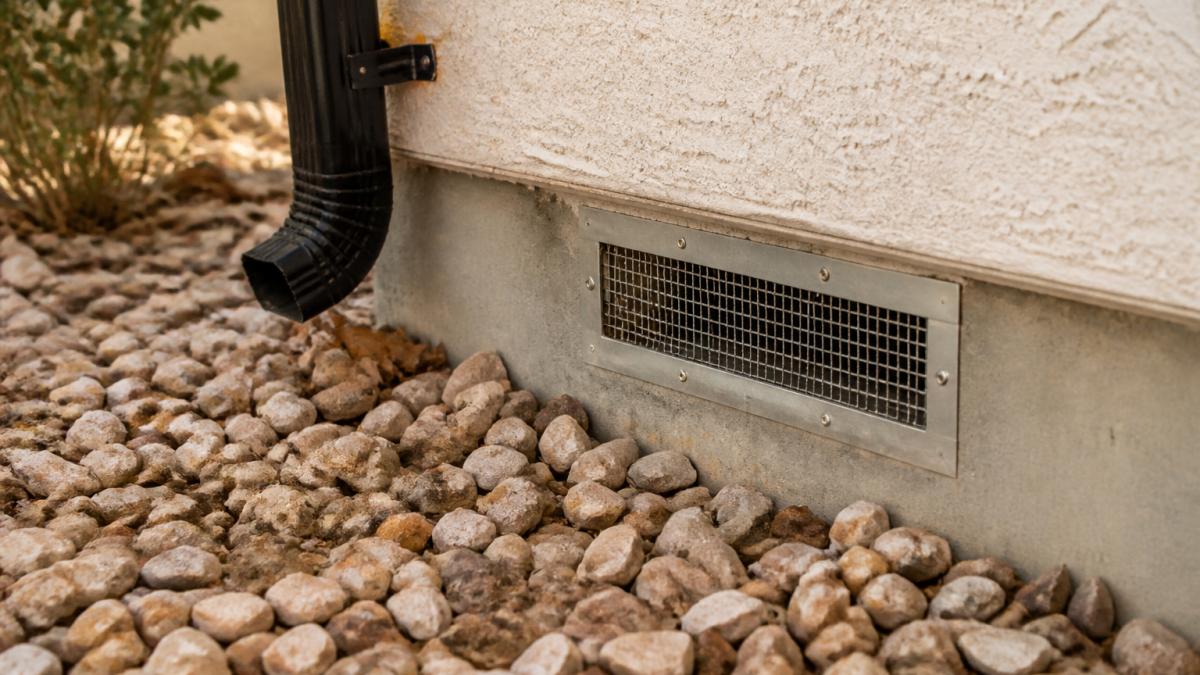
The desert strip around your home is the real battleground. Most houses sit next to open ground, gravel, or rock walls. That gives rodents cover right up to your foundation.
Three things make desert homes easier targets:
- Long dry spells send rodents hunting for moisture indoors
- Gravel and rock landscaping offers endless burrow space
- Warm winters keep breeding cycles going year-round
So the usual advice to "just set traps" rarely fixes the problem. You have to cut off access first.
How to Seal Home Entry Points Against Desert Rodents
Sealing entry points is the single most effective step in any rodent prevention plan. Walk your home's exterior and close every gap wider than a quarter inch, the size a mouse can squeeze through (the CDC).
Start low and work up:
- Check the base of every exterior wall for cracks and utility gaps
- Look behind appliances where pipes and wires enter
- Inspect the garage door seal along the full bottom edge
- Check roof vents, eaves, and dryer vents for torn screens
- Seal gaps around AC lines and plumbing with metal mesh, not foam
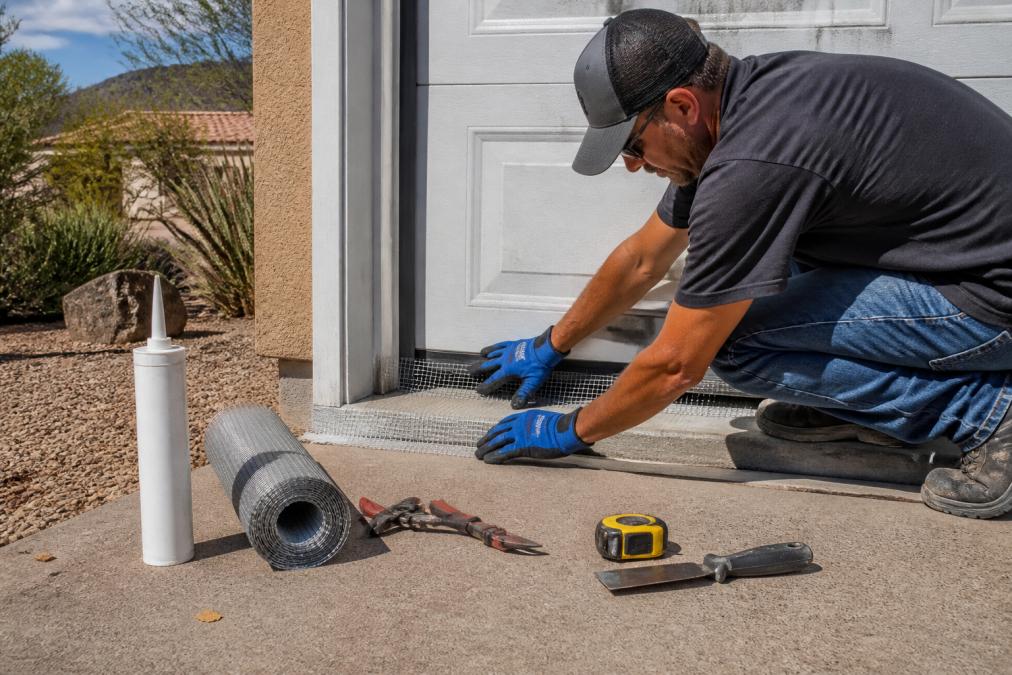
A common mistake is stuffing steel wool into a gap and calling it done. It rusts fast in desert heat and crumbles within a season.
Which Materials Hold Up to Desert Heat and Chewing
The best materials for desert rodent exclusion are galvanized metal mesh, copper mesh, and concrete patch. Rodents chew through plastic, spray foam, and rubber without much effort.
Here's what holds up and what fails:
| Material | Holds Up? | Best Use | Why |
|---|---|---|---|
| Galvanized metal mesh | Yes | Vents, utility gaps | Rodents can't chew metal |
| Copper mesh | Yes | Pipe entries | Won't rust in heat |
| Concrete patch | Yes | Foundation cracks | Hardens solid |
| Spray foam | No | Temporary only | Easy to chew through |
| Steel wool | No | Not recommended | Rusts and crumbles |
| Plastic screen | No | Not recommended | Chewed through fast |
Match the material to the gap. Use copper mesh around pipes, concrete for foundation cracks, and metal mesh for vents.
Signs of Rats in Walls: What to Listen and Look For
Signs of rats in walls usually show up as scratching at night, droppings near baseboards, and a musky smell in closed rooms. Catching these early keeps a small problem from becoming an infestation.
Listen for these sounds:
- Scratching or scurrying inside walls after dark
- Faint squeaks from ceilings or cabinets
- Rustling in attic insulation at dawn
Then look for physical clues:
- Dark droppings the size of rice grains along walls
- Grease smudges where rodents brush against surfaces
- Gnaw marks on food packaging or wiring
- Piles of shredded paper or fabric for nesting
The CDC guidance on rodent control notes that rodents can spread disease through droppings and direct contact, so wear gloves and a mask when cleaning up.
Desert Landscaping Rodent Control That Actually Works
Desert landscaping rodent control works by removing the cover and food rodents need to reach your home. Keep a clear, gravel or rock buffer at least 18 inches wide around your foundation.
Trim and manage these areas:
- Keep tree branches at least 6 feet from your roof
- Trim shrubs so they don't touch exterior walls
- Store firewood on a raised rack away from the house
- Clean up fallen fruit and seed pods weekly
- Move bird feeders away from the structure
Rodents follow highways, and plants touching your walls become a bridge straight to your attic.
Plants and Ground Covers That Attract Rodents
Some desert plants invite rodents more than others. Dense ground covers, heavy mulch, and fruit-bearing trees all create shelter and food.
Schedule a Free In-Home Estimate →
Watch these common culprits:
- Thick ivy and ground cover that hides burrows
- Deep mulch beds against the foundation
- Citrus and other fruit trees dropping food
- Stacked rock walls with gaps between stones
Swap dense cover for gravel, decomposed granite, or low-water ground covers that leave fewer hiding spots.
University of Arizona Cooperative Extension pest resources offers region-specific guidance on managing wildlife around desert homes.
Seasonal Rodent Prevention Calendar for Desert Homes
Rodent prevention should shift with the seasons, because desert rodent activity changes through the year. Cooler months push rodents indoors, while summer sends them searching for water.
Use this calendar as a starting point:
| Season | Main Risk | Key Action |
|---|---|---|
| Spring | Breeding season | Seal gaps, clear brush |
| Summer | Water seeking | Fix leaks, remove standing water |
| Fall | Rodents move indoors | Recheck all entry points |
| Winter | Rodents shelter inside | Inspect attic and garage monthly |
The thing most homeowners miss is that fall is the critical window. Once rodents settle into a warm wall void, removal gets much harder.
When to Call a Professional for Rodent Exclusion
Call a professional when you hear rodents in multiple rooms, find droppings in food areas, or can't locate how they're getting in. DIY sealing handles small gaps, but full exclusion takes an experienced eye.
Signs it's time to bring in help:
- Scratching in more than one area of the house
- Droppings in kitchen cabinets or pantry
- Chewed wiring or insulation
- Repeated activity after you've sealed visible gaps
- A rodent sighting during daylight hours
At Local Choice Pest & Landscape Nutrition, our team handles humane and effective rodent prevention for homes. We find the entry points most people miss, seal them with materials built for desert heat, and back the work with a guarantee: if pests come back, so do we.
Common Mistakes That Undo Your Rodent Prevention
The biggest rodent prevention mistakes all involve leaving one gap open or using the wrong material. Rodents only need a single quarter-inch opening to get back inside.
Avoid these errors:
- Sealing with foam or steel wool that fails within a season
- Ignoring the garage door, a top entry point
- Leaving plants and branches touching the walls
- Skipping the attic and roof vent checks
- Removing rodents without sealing entry points
Fixing these five issues solves most recurring problems. Prevention is a habit, not a one-time task.
Frequently Asked Questions
Why are rodents more common in desert homes during extreme heat?
Desert rodents like pack rats and roof rats seek cooler, moist shelter when temperatures climb above 100 degrees Fahrenheit. Your home's attic, wall voids, and crawl spaces stay cooler than open desert, and they also offer water from condensation and irrigation lines. That's why rodent prevention in desert homes matters most from late spring through early fall, when the heat drives them indoors. Sealing entry points before summer is the single most effective step.
What are the most effective materials for sealing rodent entry points?
Rats and mice chew through foam, plastic, and thin wood in hours. Use hardware cloth (19-gauge or thicker), copper mesh, and metal flashing for gaps around pipes, vents, and rooflines. Seal cracks larger than a quarter inch with mortar or caulk rated for exterior use. For garage doors and thresholds, attach metal trim plates. In desert homes, choose materials that resist UV damage and won't warp in 110-degree heat.
How do I identify signs of a rodent infestation in my home?
Listen for scratching or scurrying in walls, especially at dusk and dawn. Look for droppings along baseboards, in attic insulation, and behind appliances. Other signs of rats in walls include greasy rub marks along beams, gnaw marks on wiring or PVC pipes, and a musky odor in enclosed spaces. In desert homes, also check outdoor storage sheds and pool equipment areas, which pack rats use as staging points before entering the house.
Are there natural ways to deter rodents from desert landscaping?
Yes. Keep a 2-foot gravel or bare-soil buffer between your home's foundation and any vegetation. Trim tree branches so they stay at least 3 feet from the roofline, and remove fallen fruit from citrus and palm trees weekly. Swap dense ground covers like ivy for gravel or decomposed granite. Desert landscaping rodent control also means storing birdseed and pet food in metal containers and fixing drip irrigation leaks that provide water.
Rodents in a desert home rarely fix themselves, and one missed gap undoes a weekend of work. Local Choice Pest & Landscape Nutrition offers humane rodent prevention, premium materials built for desert conditions, and treatments safe for kids, pets, and desert wildlife. Our background-checked technicians deliver fast scheduling and guaranteed results, so if pests come back, so do we. Schedule a free in-home estimate with Local Choice Pest & Landscape Nutrition and protect your home year-round.