 how-to
Identifying Rodent Activity in Walls: A Step-by-Step Guide
Table of Contents
- How to Identify Rodent Activity in Walls: What to Look For
- Recognizing Scratching Noises in Walls at Night
- Signs of Mice in Walls: Droppings and Contamination
- How to Find Mouse Entry Points in Your Home
- Distinguishing Rodent Noises From Other Wall Sounds
- Monitoring Activity Over Time and When to Call a Professional
- Frequently Asked Questions
Last Updated: October 11, 2026
How to Identify Rodent Activity in Walls: What to Look For
Identifying rodent activity in walls is the first step toward solving an infestation before it spreads through your home.
The challenge is that wall cavities create the perfect hiding spot. Rodents travel through walls at night, nest in insulation, and chew through electrical wiring and structural materials. Without knowing what to look for, you might miss the evidence until damage is extensive.
Visual Evidence of Rodent Presence
Look for physical signs around baseboards, corners, and wall gaps. Rodent droppings are the most obvious indicator.
Gnaw marks on wood, drywall, and cardboard show active rodent presence. Rodents must gnaw constantly to keep their teeth sharp.
Grease marks and rub trails appear along walls and baseboards where rodents repeatedly travel.
Nesting materials scattered in corners or inside walls indicate breeding activity. Rodents shred paper, fabric, insulation, and plant material to build nests.
Auditory Signs That Indicate Activity
Listen carefully at night when rodents are most active. Scratching and scurrying sounds come from inside walls as rodents move through cavities and travel along structural beams. These noises are often louder than people expect.
Squeaking and chittering sounds indicate communication between rodents or distress calls. Gnawing sounds are distinct, a rhythmic crunching as rodents chew through wood or wires.
Recognizing Scratching Noises in Walls at Night
Scratching noises in walls at night are a classic sign of rodent activity. Mice are most active between dusk and dawn, which is why you hear them when the house is quiet.
The location matters. Scratching directly above you in ceiling cavities suggests rats, which are heavier and make louder noise. Lighter scratching in wall studs usually means mice. The pattern also tells you whether rodents are traveling (quick, skittering sounds) or nesting (sustained gnawing).
Signs of Mice in Walls: Droppings and Contamination
Droppings are the most reliable evidence of rodent activity in walls. Fresh droppings confirm active infestation. Older droppings mean rodents were present but may have moved on.
Rodent Droppings Identification and What They Tell You
Mouse droppings are small, dark, and rod-shaped, roughly the size of a grain of rice. Rat droppings are larger and more capsule-shaped, about half an inch long. The fresher the dropping, the darker and moister it appears.
Finding droppings in multiple locations, kitchen cabinets, basement corners, inside walls, indicates a spreading infestation. Concentrated droppings in one area suggest a nesting site. The quantity matters too. Heavy accumulation means the rodent population is established and breeding.
Urine Stains and Ammonia-Like Odors
Rodent urine creates a distinctive ammonia-like odor that becomes stronger as infestation worsens. The smell is sharp and pungent, especially noticeable in enclosed spaces like basements or attics. Fresh urine smells stronger than old urine.
Urine stains appear as dark spots or trails on surfaces. Under ultraviolet light, urine glows bright blue, making it easier to spot. Rodents mark their travel paths with urine, so stains often appear along baseboards and inside walls.
How to Find Mouse Entry Points in Your Home
Finding entry points stops new rodents from entering and helps you seal existing populations inside walls. Rodents need surprisingly small gaps to squeeze through. A hole the size of a pencil is enough for a mouse.
Schedule a Free In-Home Estimate →
Conducting a Safe Wall Inspection Workflow
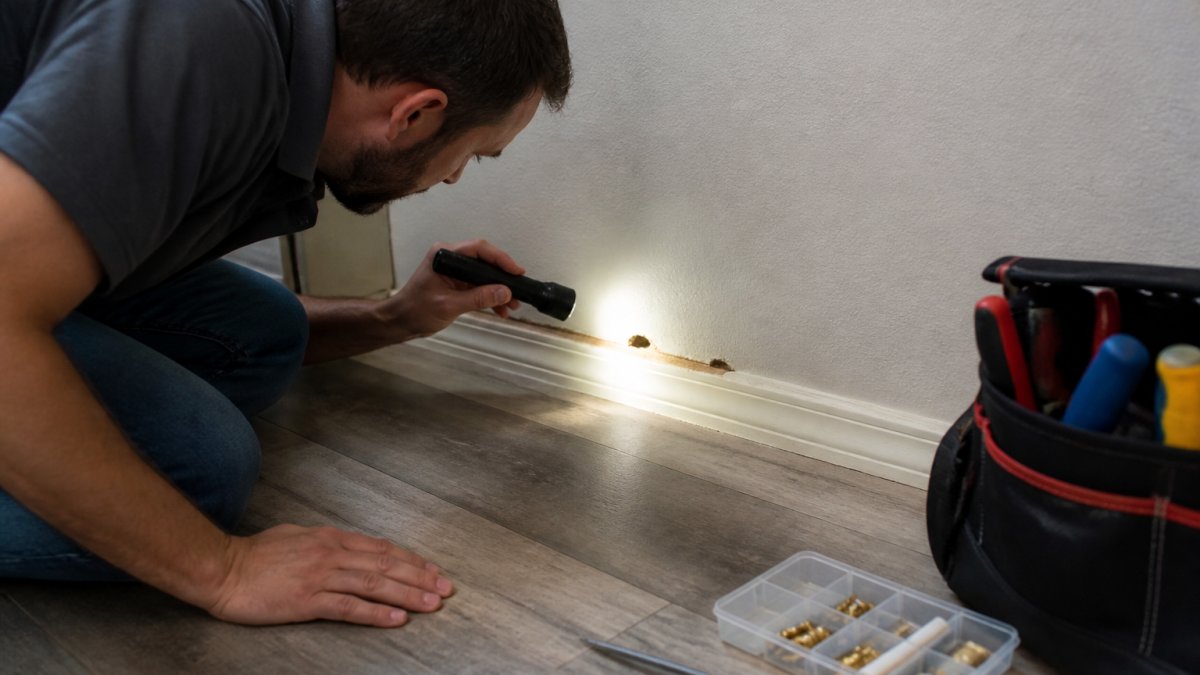
Start your inspection during daylight when you can see clearly. Begin at the foundation and work upward, checking for gaps, cracks, and holes.
Inspect both interior and exterior walls. Exterior inspection reveals entry points from outside. Interior inspection shows where rodents have traveled inside the wall cavity.
Check these common entry points:
- Foundation cracks and gaps
- Spaces around pipes and utility lines
- Gaps between siding and foundation
- Damaged window and door frames
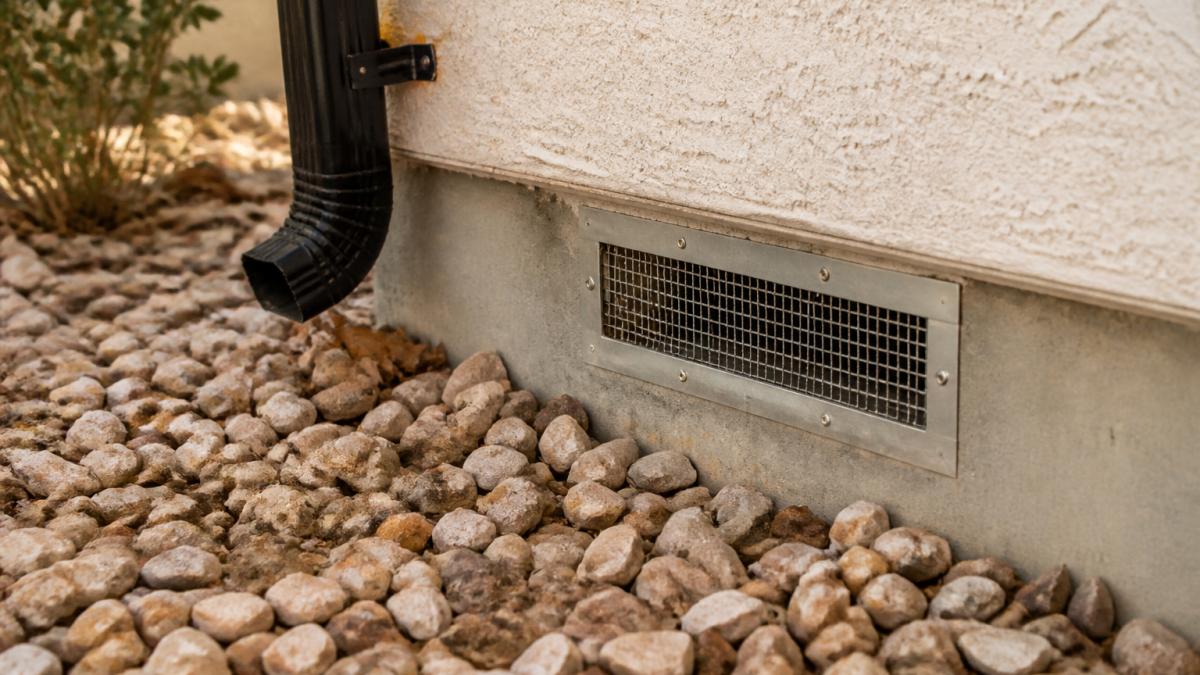
- Vents and exhaust openings
- Gaps where wires enter the home
Mark each gap with a piece of tape so you remember where to seal later. Take photos for reference.
Tools and Techniques for Thorough Inspection
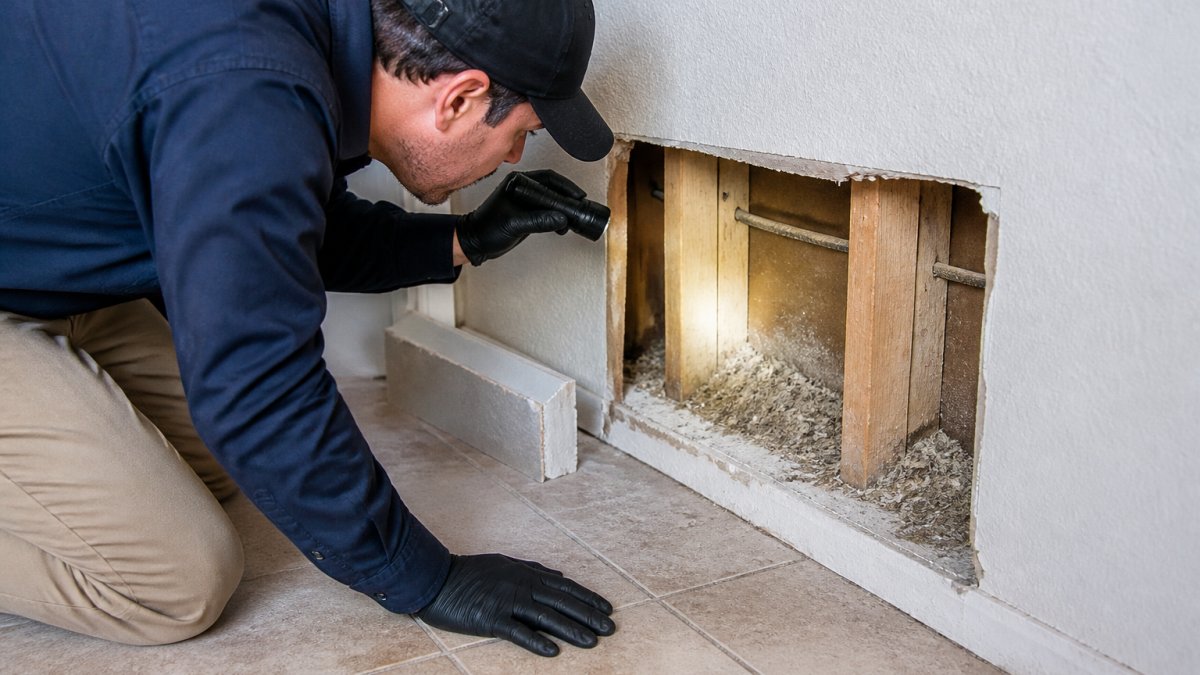
A flashlight is essential for seeing into dark corners and wall cavities. A scope camera with a flexible probe lets you see inside walls without cutting holes.
A moisture meter helps identify areas where rodents are likely to nest. Rodents prefer damp spaces, so wet insulation or wood attracts them. A borescope camera works similarly to a scope camera but offers better image quality.
| Inspection Tool | Best For | Limitations |
|---|---|---|
| Flashlight | Finding visible gaps and entry points | Cannot see inside walls |
| Scope camera | Inspecting wall cavities and hidden spaces | Limited depth and angle |
| Moisture meter | Identifying damp nesting areas | Does not show rodent presence |
| Borescope camera | High-quality wall cavity inspection | Higher cost |
Distinguishing Rodent Noises From Other Wall Sounds
Not every sound in your walls means rodents. Plumbing, HVAC systems, settling wood, and even neighbors' activities create noise that can mimic rodent activity. Learning to distinguish these sounds prevents unnecessary panic and false treatment decisions.
Sound Profiles and Timing Patterns
Rodent Sounds: Scratching, Scurrying, and Gnawing
Rodent noises have a distinctive quality: light, rapid, and irregular. They occur almost exclusively between dusk and dawn (roughly 8 PM to 6 AM) because mice and rats are nocturnal. The sounds include:
- Scratching: Quick, light scratching as claws move across wood, drywall, or insulation. Sounds like fingernails on a surface. Lasts 1-3 seconds, then silence, then repeats.
- Scurrying: Rapid pitter-patter movement through wall cavities, like tiny feet running. Lasts 2-10 seconds and moves across a distance.
- Gnawing: Rhythmic crunching or grinding, like chewing hard material. Lasts 10-30 seconds continuously. Sounds like a tiny chainsaw or grinding mill.
- Squeaking or chittering: High-pitched vocalizations, usually brief (under 1 second). Indicates communication or distress.
Key timing pattern: Rodent sounds cluster between 10 PM and 4 AM and are sporadic, not constant.
Plumbing Noises: Water Flow and Pressure
Plumbing sounds occur when water moves through pipes. They are directly tied to water use:
- Rushing or whooshing: Loud water flow during or immediately after using a faucet, shower, or toilet. Stops when water use stops.
- Banging or hammering: A loud, sharp bang when water flow suddenly stops (water hammer). Occurs at predictable moments, when you turn off a faucet or a toilet fills.
- Gurgling: Bubbling sound in pipes, usually in walls near bathrooms or kitchens. Occurs during or right after water use.
- Dripping: Slow, rhythmic dripping sound. Indicates a leak, not rodent activity.
Key timing pattern: Plumbing noises are tied to water use. They occur during the day when people shower, use toilets, or run appliances.
HVAC Noises: Expansion, Contraction, and Airflow
Heating and cooling systems create noise as ducts expand and contract with temperature changes:
- Pinging or popping: Metal ducts expanding or contracting. Sounds like a distant gunshot or firework. Occurs when the system turns on or off.
- Whooshing or rushing: Air moving through ducts. Loud and consistent while the system runs. Stops when the system cycles off.
- Rattling: Loose ductwork or dampers vibrating. Occurs while the system is running.
- Humming: The blower motor running. Steady, continuous sound while the system operates.
Key timing pattern: HVAC noises are tied to the heating or cooling cycle.
Settling Wood and Structural Sounds
Houses shift and settle as temperature and humidity change. Wood expands and contracts, creating noise:
Schedule a Free In-Home Estimate →
- Cracking or popping: Sharp, loud sounds as wood fibers move. Sounds like a distant gunshot or breaking branch.
- Creaking: Low-pitched, slow groaning sound. Occurs as weight shifts on floor joists or roof trusses.
- Clicking: Intermittent clicking sound, often from wood joints moving slightly.
Key timing pattern: Settling sounds occur throughout the day and night, especially during temperature transitions (early morning, evening, or during weather changes).
A Practical Decision Tree
Use this framework to identify the source of a sound:
-
When did you hear it? If between 10 PM and 4 AM, rodents are more likely. If during the day or tied to water use, plumbing or HVAC is more likely.
-
Is it tied to an activity? If it occurs when you use water, it's plumbing. If it occurs when the heating or cooling system cycles, it's HVAC. If it's random and unpredictable, it's likely rodents or settling.
-
How loud is it? Plumbing and HVAC are usually loud and obvious. Rodent sounds are light and subtle, you have to listen carefully to hear them.
-
Does it repeat in a pattern? Rodent sounds are irregular and sporadic. Plumbing and HVAC sounds follow predictable cycles tied to water use or temperature.
-
Do you see other evidence? If you also find droppings, gnaw marks, grease trails, or odors, rodents are confirmed. If you only hear noise with no other evidence, it's likely not rodents.
Documenting Sounds for Confirmation
If you suspect rodent activity, create a simple log:
| Date | Time | Location | Sound Description | Duration | Other Evidence? |
|---|---|---|---|---|---|
| 1/15 | 11:30 PM | Wall above kitchen | Scratching, light and rapid | 5 seconds | None yet |
| 1/16 | 12:45 AM | Same location | Scurrying, moving left to right | 8 seconds | None yet |
| 1/17 | 10:15 PM | Same location | Gnawing, rhythmic crunching | 20 seconds | Found droppings under sink |
Record the sound on your phone at night. Play it back during the day to confirm it matches rodent activity. This log helps you identify patterns and provides valuable information to a professional if you need to call one.
Monitoring Activity Over Time and When to Call a Professional
Track rodent activity for one to two weeks before deciding on treatment.
Place sticky traps or snap traps in areas where you suspect rodent activity.
If you find multiple droppings, hear noises in multiple locations, or discover evidence of rodent activity in walls, contact a professional.
Professional inspection uses specialized equipment and expertise to locate nesting sites, entry points, and travel paths.
Frequently Asked Questions
How can you tell if there is a mouse in the wall?
Multiple signs indicate rodent activity in walls: scratching or scurrying sounds at night, especially in ceilings and wall cavities; small dark droppings along baseboards or in corners; a musty or ammonia-like odor; grease marks or rub trails along walls where mice travel; and gnaw marks on cardboard, fabric, or wires. If you notice several of these signs together, rodent activity is likely present. A professional inspection can confirm the extent of infestation and identify entry points.
What should you do after confirming rodent activity in walls?
Once you've confirmed rodent activity, seal entry points immediately to prevent further access. Look for gaps around pipes, foundation cracks, and holes larger than a pencil-size opening. Remove food sources and declutter areas where rodents might nest. Document the location and frequency of activity over several days to help a pest control professional understand the infestation scope. Contact a professional to safely remove existing rodents and prevent future entry, especially if activity is extensive or in difficult-to-access wall cavities.
How do you distinguish rodent noises from plumbing or HVAC sounds?
Rodent noises are typically quick, scurrying or scratching sounds that occur irregularly, especially at night. Plumbing sounds are usually louder bangs or water-related noises that occur when water runs. HVAC sounds are consistent humming or rushing air that follows a predictable pattern. Rodent activity in walls produces distinct gnawing, squeaking, and rapid movement sounds concentrated in specific wall sections. If you're uncertain, listen carefully to pinpoint the exact location and time of day sounds occur, rodent activity clusters at dusk and night, while mechanical sounds are often tied to usage patterns.
What is the five-day mouse rule?
The five-day mouse rule suggests that if you see a mouse during the day, there is likely a significant infestation, as mice are naturally nocturnal and avoid daylight unless populations are large or food is scarce. However, this is not a precise diagnostic tool. A single daytime sighting doesn't guarantee a major problem, but it warrants immediate investigation of wall cavities, entry points, and nesting areas. Professional inspection and monitoring over several days provide more reliable confirmation of infestation severity than a single observation.