 listicle
Pest Control for Desert Communities: A Homeowner's Guide
Last Updated: October 24, 2026
Quick Summary
Pest control for desert communities starts with knowing the three pest groups: stingers, wood destroyers, and seasonal invaders. Control water and access first, since most desert pests want moisture and shelter. A quarterly plan covers most homes, but active scorpion or rodent pressure often needs monthly visits during peak season.
- Scorpions and spiders need exclusion as much as chemical control, so treat the structure, not just the yard.
- Walk your property after irrigation runs and look for puddles that linger more than a day.
- Seal cracks in stucco, screen weep holes, and weather-strip doors and garage thresholds to block entry points.
- Pack rats, house mice, and roof rats gnaw wiring, contaminate food, and leave droppings that pose a health risk.
- Keep a gravel or rock buffer at least 12 to 18 inches wide against shared building foundations.
Table of Contents
- Common Desert Pests and the Damage They Cause
- Desert Pest Control Tips That Actually Work
- Rodent Control in Desert Homes: Pack Rats, Mice, and Roof Rats
- Garden Pests, Plant Health, and Natural Control Methods
- Pest Control Service Frequency: How Often Is Enough?
- Community-Wide Prevention for HOAs and Property Managers
- Schedule a Free In-Home Estimate with Local Choice Pest & Landscape Nutrition
- Frequently Asked Questions
Common Desert Pests and the Damage They Cause
Pest control for desert communities starts with knowing what you're up against. The dry climate doesn't keep bugs away; it produces a distinct cast of pests adapted to heat, scarce water, and stucco walls.
Common desert pests fall into three groups: stingers, wood destroyers, and seasonal invaders. Knowing the group tells you how urgent the problem is and what treatment makes sense. A scorpion in the garage is a safety issue; ants on the counter are a nuisance; a termite swarm near the foundation threatens the structure itself.
Scorpions, Spiders, and Other Stinging Threats
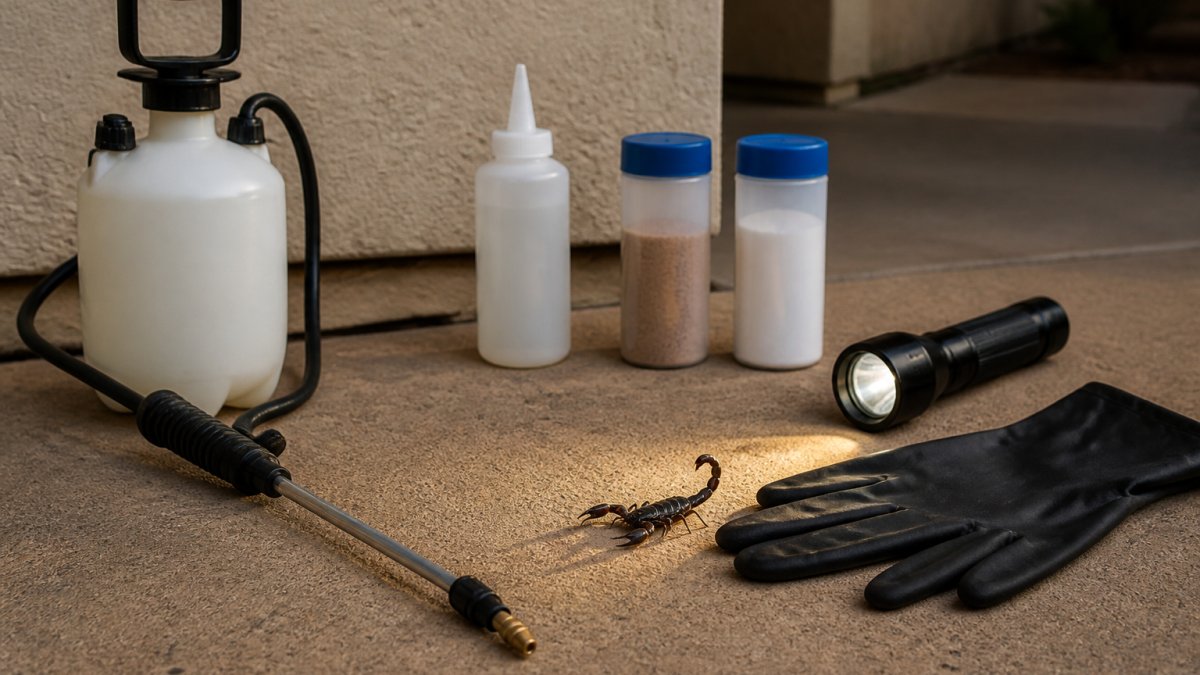
Scorpions worry desert homeowners most, and for good reason. They shelter in block walls, under rocks, and inside garages, then hunt at night.
The most common mistake is treating only the yard and ignoring the structure. Scorpions and spiders need exclusion as much as chemical control. For persistent scorpion problems, our scorpion control service targets harborage areas.
Termites, Ants, and Wood-Destroying Insects
Termites do quiet, expensive damage. Desert subterranean termites travel through soil and build mud tubes up foundation walls, and homeowners often miss the signs until wood is hollow.
Watch out: a termite swarm near a wall or window is not a one-off. Wood-destroying insects need an inspection before you treat anything, which is why our termite page covers treatment options in detail.
Mosquitoes, Roaches, and Seasonal Invaders
Mosquitoes in a desert sound like a contradiction, but irrigation and standing water give them everything they need. Roaches move indoors when temperatures swing, hunting moisture in kitchens and bathrooms. These pests follow the seasons, which is why pest control for desert communities has to account for timing, not just location. If mosquitoes are ruining your patio evenings, our mosquito control page provides information on options.
Desert Pest Control Tips That Actually Work
Effective desert pest control tips come down to two habits: control water and control access. Most desert pests want moisture and shelter; remove those and you remove the invitation. Treatments matter, but prevention keeps pests from returning.
Water Management: Gutters, Birdbaths, and Standing Water
Standing water is the single biggest driver of mosquito and roach activity around a home. Walk your property after irrigation runs and look for puddles that linger more than a day.
- Clean gutters so roof runoff drains instead of pooling
- Refresh birdbaths every few days; empty them if you're away
- Tip out outdoor toys, buckets, and plant saucers after rain
Water management is free and it works. A dry yard is a less attractive yard.
Sealing Entry Points and Exclusion Around the Home
Exclusion means physically blocking pests from getting in. It's the most durable form of home protection because it doesn't wear off. Seal cracks in stucco, screen weep holes, and weather-strip doors and garage thresholds. Pay attention to where utility pipes and wires enter the walls; those gaps are classic entry points for scorpions and rodents.
Schedule a Free In-Home Estimate →
Rodent Control in Desert Homes: Pack Rats, Mice, and Roof Rats
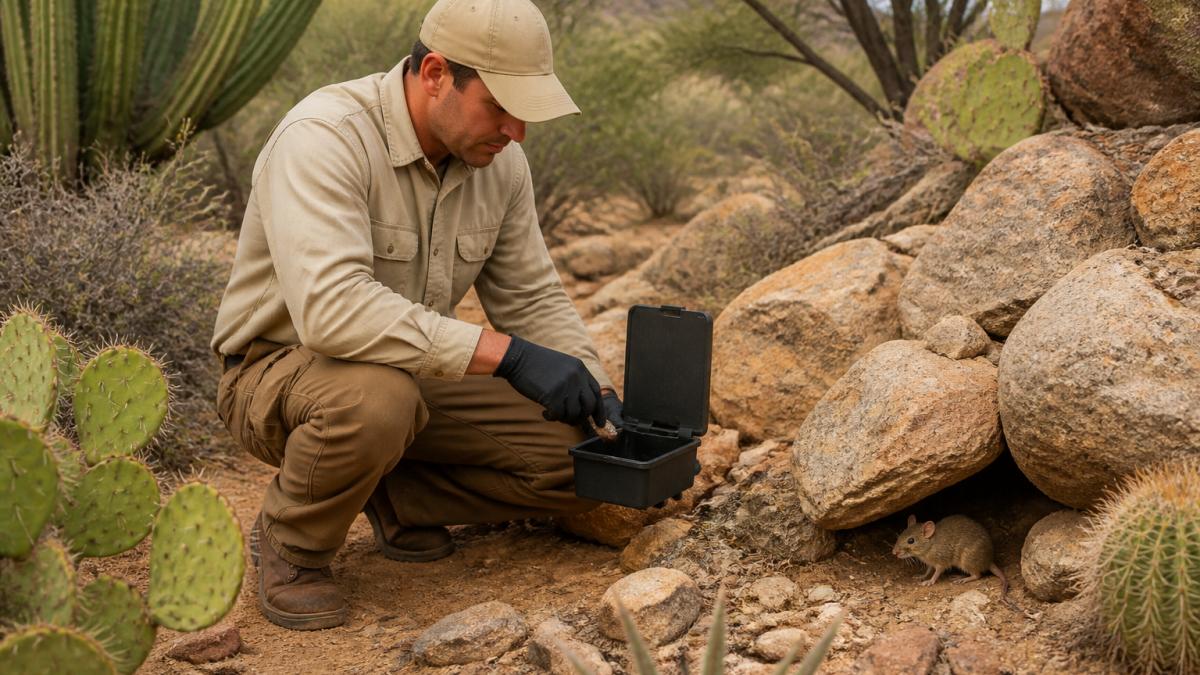
Rodent control in desert homes targets three culprits: pack rats, house mice, and roof rats. Pack rats collect shiny objects and nest in garages and sheds. Roof rats climb along power lines and rooflines. Mice squeeze through openings you'd swear were too small (the CDC).
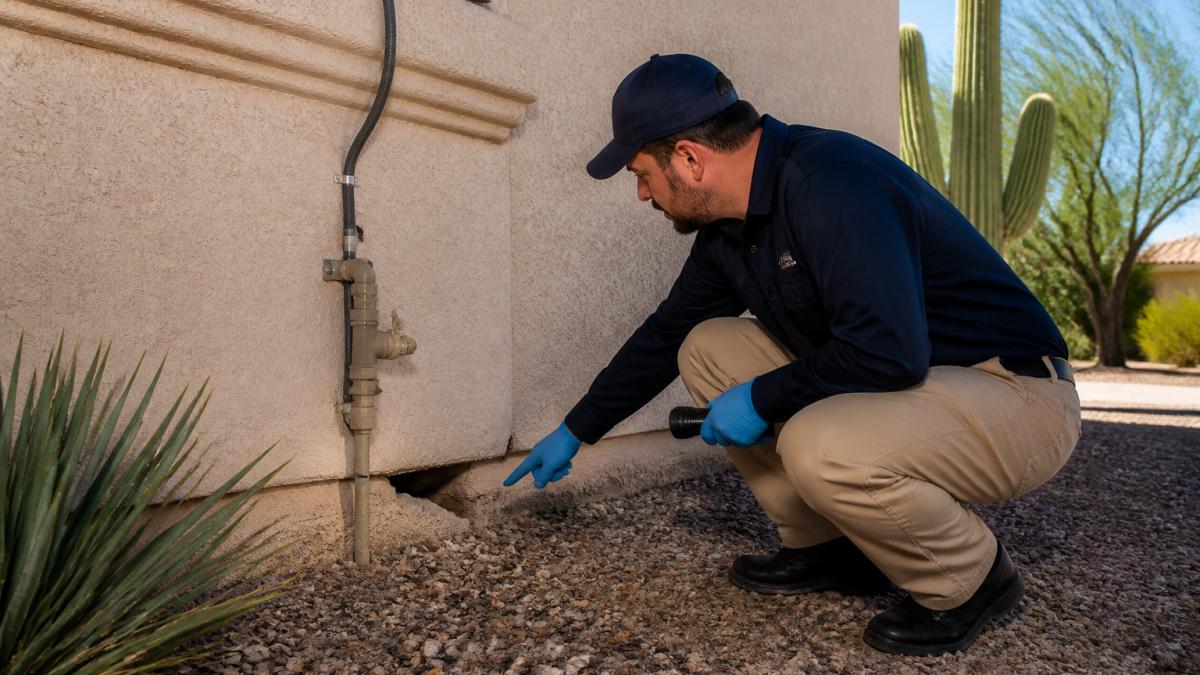
We favor humane and effective rodent prevention: seal the building, remove the attractants, and use targeted control rather than scattering poison where pets and wildlife can reach it.
Signs of Rodent Activity and Entry Points to Check
Look for droppings along walls and in drawers, gnaw marks on wiring or food packaging, greasy rub marks, and nesting material in stored boxes. Outside, check the base of walls, roof eaves, garage corners, and pipe penetrations.
For a deeper walkthrough, our rodent prevention guide for desert homes covers the signs and fixes.
Garden Pests, Plant Health, and Natural Control Methods
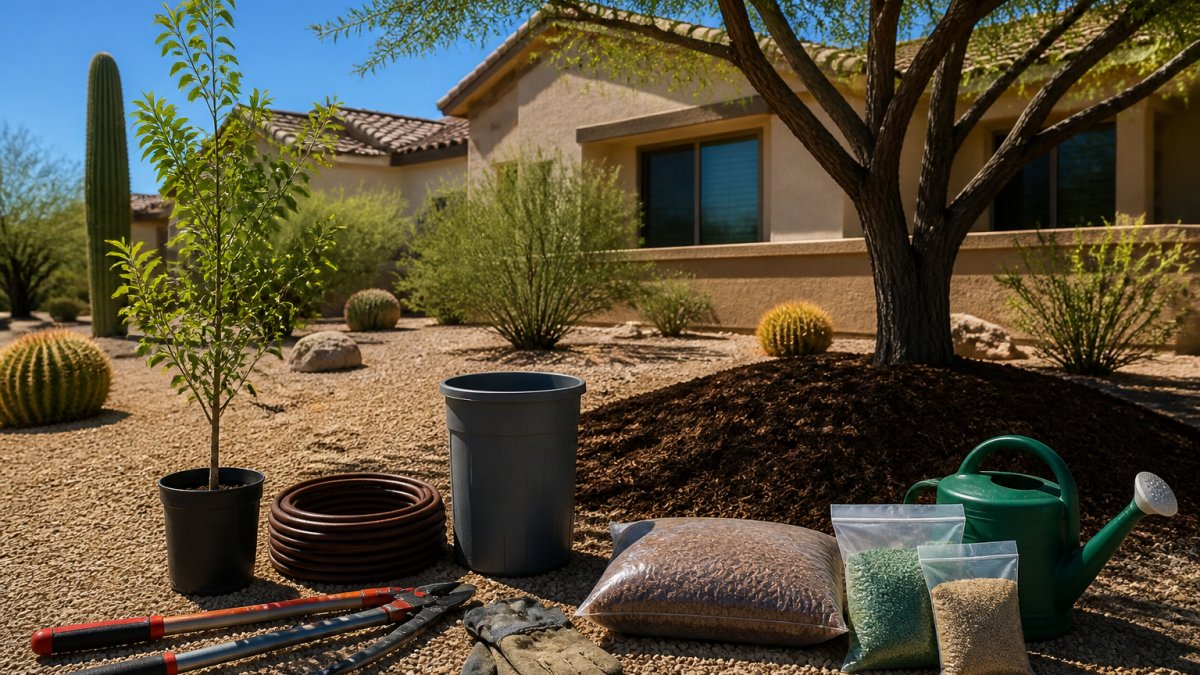
Garden pests attack stressed plants first. In desert heat, underwatered plants or those in poor soil are far more vulnerable to aphids, whiteflies, and spider mites. Plant health and pest resistance are the same conversation: build the soil, water correctly, and the plant defends itself.
Identifying Garden Pests and Protecting Pollinators
Learn the difference between pests and beneficials before you spray. Ladybugs and predatory mites eat the pests you're trying to remove, and beneficial insects and pollinators shouldn't be collateral damage.
- Aphids: clusters on new growth; knock them off with water
- Spider mites: fine webbing and stippled leaves in dry heat
- Whiteflies: clouds rise when you disturb the plant
Natural control and habitat management go together. Healthy soil and desert landscaping reduce the need for chemical treatments.
Pest Control Service Frequency: How Often Is Enough?
Pest control service frequency depends on the pest and the season. Desert climates don't have one "bug season"; they have waves. Scorpions and mosquitoes peak in warm months, rodents move indoors as temperatures drop, and termites stay active in soil year-round.
| Situation | Typical Frequency | Why |
|---|---|---|
| General prevention | Quarterly | Maintains a barrier through seasonal shifts |
| Active scorpion pressure | Monthly in warm months | Breaks the breeding and hunting cycle |
| Rodent activity | Monthly until sealed | Verification and re-treatment |
| Termite protection | Annual inspection | Early detection limits structural damage |
Frequency should follow evidence. A provider adjusts based on what's actually happening at your property.
A Seasonal Pest Calendar for Desert Homes
Heat, monsoon rain, and cooler nights drive pest activity in predictable waves. Use this as a planning guide, not a rigid schedule.
- Late spring into early summer (warming, dry): scorpions and spiders become active at night; ants move toward moisture indoors; termites swarm on warm, humid evenings. Seal entry points and start exterior barrier work.
- Monsoon season (heat plus rain): mosquitoes breed in standing water within days; roaches and ants move indoors when soil floods; rodents shift as burrows flood. Refresh water sources, check gutters and condensate lines, and expect more calls.
- Fall (cooling): pack rats, mice, and roof rats move toward garages, sheds, and attics for warmth. Seal before the first cold snap, not after.
Matching Frequency to Species
- Scorpions: monthly during warm months when pressure is active; the goal is breaking the harborage and hunting cycle, not just killing what you see.
- Rodents: monthly until the building is sealed and activity stops, then quarterly verification.
- Termites: annual inspection at minimum; treatment and warranty terms vary by provider and should be in writing.
Prevention, Targeted Treatment, and Safe Pesticide Use
A practical framework keeps treatments effective and safe for families and pets:
- Prevent first. Water management, exclusion, and habitat reduction remove the conditions pests need. This lowest-risk layer should always come first.
- Identify before treating. Confirm the species and the entry point. Treating the wrong pest wastes money and can harm beneficial insects.
- Treat narrowly. Target harborage areas and entry points rather than broadcasting product. Ask what active ingredient is being used and where it will be applied.
- Follow label directions and re-entry intervals. Products labeled for residential use are safe when applied as directed; the label is the legal and practical standard. Keep pets and children off treated surfaces until dry or until the stated re-entry time.
- Verify and adjust. Follow-up visits confirm the treatment worked and catch reinfestation early.
Frequency is a tool, not a scorecard. The right plan changes with the season and the evidence at your property.
Community-Wide Prevention for HOAs and Property Managers
Pests don't respect property lines. One untreated yard can seed scorpions, rodents, and roaches across a whole block, which is why community prevention matters for HOAs and property managers.
Schedule a Free In-Home Estimate →
Most pest advice stops at the front door. Shared infrastructure is where desert communities get into trouble, and it's the part homeowners can't fix alone. The work breaks into four areas.
Shared Waste and Recycling Areas
Dumpster enclosures, recycling bins, and bulk-trash pads are the most reliable rodent and roach reservoir in a desert community. Pack rats nest behind and under enclosures, roaches shelter between pad and bin, and spilled liquids draw ants and flies. A workable routine:
- Keep lids closed and bins on a concrete pad, not bare soil
- Pressure-wash pads on a set schedule, especially after monsoon storms
- Inspect the wall cavity and roofline of the enclosure for rodent runs
Common Landscaping and Irrigation
Greenbelts, community cactus and rock beds, and shared turf are attractive to scorpions and rodents because they offer cover and moisture. Overwatered turf and leaking irrigation heads create the damp microclimate roaches and mosquitoes need. Property managers should walk irrigation zones monthly, fix heads that spray onto walls or walkways, and keep a gravel or rock buffer at least 12 to 18 inches wide against shared building foundations so pests have less cover to cross.
Shared Walls, Attics, and Utility Chases
In attached housing, a scorpion or rodent problem in one unit is a building problem. Utility penetrations, shared attics, and common plumbing chases are the usual highways. Sealing those penetrations building-wide, not unit-by-unit, stops reinfestation. A common pattern is treating the shared wall line and common attic as one service zone on the same schedule as the units on either side.
Coordinated Scheduling and Reporting
Isolated treatments on different weeks let pests move from a treated unit into an untreated neighbor and back. Aligning service dates across adjacent buildings and using one reporting channel gives the provider a real picture of pressure across the property. That's where a local service provider earns the advantage.
For boards and managers, the takeaway is simple: budget for shared-area inspection and sealing alongside unit treatments, and put the reporting routine in writing so residents know where to log a sighting.
Schedule a Free In-Home Estimate with Local Choice Pest & Landscape Nutrition
Pest problems in desert communities rarely fix themselves, and guessing at treatments wastes both time and money. We're a family-owned, local team with background-checked technicians, products designed for desert pests and safe for kids, pets, and desert wildlife, and a guarantee that if pests come back, so do we. Get started with Local Choice Pest & Landscape Nutrition and request your free in-home estimate to protect your home year-round.
Frequently Asked Questions
What pests are most common around desert homes?
Desert homes see scorpions, spiders, ants, termites, cockroaches, mosquitoes, and rodents such as pack rats and roof rats. Scorpions and spiders move indoors during summer heat, while rodents seek warmth in winter. Termites and ants can damage wood and landscaping year-round. Identifying which species is active and where it is entering helps you choose the right desert pest control approach instead of treating blindly.
How can I keep rodents out of my desert home?
Rodent control in desert homes starts with exclusion. Seal gaps around pipes, vents, and doors with caulk or hardware cloth, trim tree branches away from the roof, and remove clutter and fallen fruit near the foundation. Store pet food in sealed containers and check the attic and garage for droppings or nesting material. A professional inspection can find entry points you might miss and set up humane, targeted removal.
How often should a home in a desert community receive pest control?
Most desert homes do best on a quarterly schedule, with monthly or bi-monthly visits during peak seasons for scorpions, ants, or rodents. Pest control service frequency depends on your home's age, landscaping, prior infestations, and whether you have pets or children. A provider should recommend a schedule based on an inspection, not a one-size-fits-all contract, and adjust it as pest pressure changes.
What are desert pest control tips for families with kids and pets?
Focus on prevention first: remove standing water from birdbaths and gutters, seal entry points, keep outdoor toys and pet bowls dry, and maintain plant health so pests have fewer places to hide. When treatment is needed, ask exactly which products will be used and how long to keep children and pets away. Choose a provider that uses products labeled safe for kids, pets, and desert wildlife and explains the application clearly.
Are natural pest-control methods enough for a desert yard?
Natural methods help but rarely solve an active infestation alone. Neem oil, predatory mites, and beneficial insects can support garden pest control and pollinator protection, while native plants and habitat management reduce hiding spots. For scorpions, termites, or rodents, professional treatment is usually necessary. An integrated approach that combines natural control with targeted, safe treatments works best in desert climates.