 how-to
Why Do Citrus Trees Turn Yellow? Causes & Fixes
Table of Contents
- How to Diagnose Why Your Citrus Tree Turned Yellow
- Citrus Tree Nutrient Deficiency Symptoms
- Overwatering and Root Rot: The Hidden Cause
- Pests and Environmental Stress Factors
- The Right Citrus Tree Watering Schedule
- How to Lower Soil pH for Citrus Trees
- Recovery Timeline: What to Expect
- Conclusion: Restore Your Tree's Green Leaves
- Frequently Asked Questions
Last Updated: September 6, 2026
How to Diagnose Why Your Citrus Tree Turned Yellow
If you have been asking why do citrus trees turn yellow, the answer starts here: yellowing leaves are the most common distress signal a citrus tree sends, and it rarely means the tree is dying. In most cases, the cause is a nutrient deficiency, a watering problem, or a soil condition that can be corrected within a single growing season. But treating the wrong cause wastes weeks of recovery time. Instead of guessing, work through this visual diagnostic flowchart to match the symptom to the fix faster.
Step 1: Identify the Yellowing Pattern
Start by looking at the leaf itself. The pattern of yellowing is your single best clue.
- Entire leaf is pale or light green, starting with older leaves at the bottom of the canopy: Nitrogen deficiency.
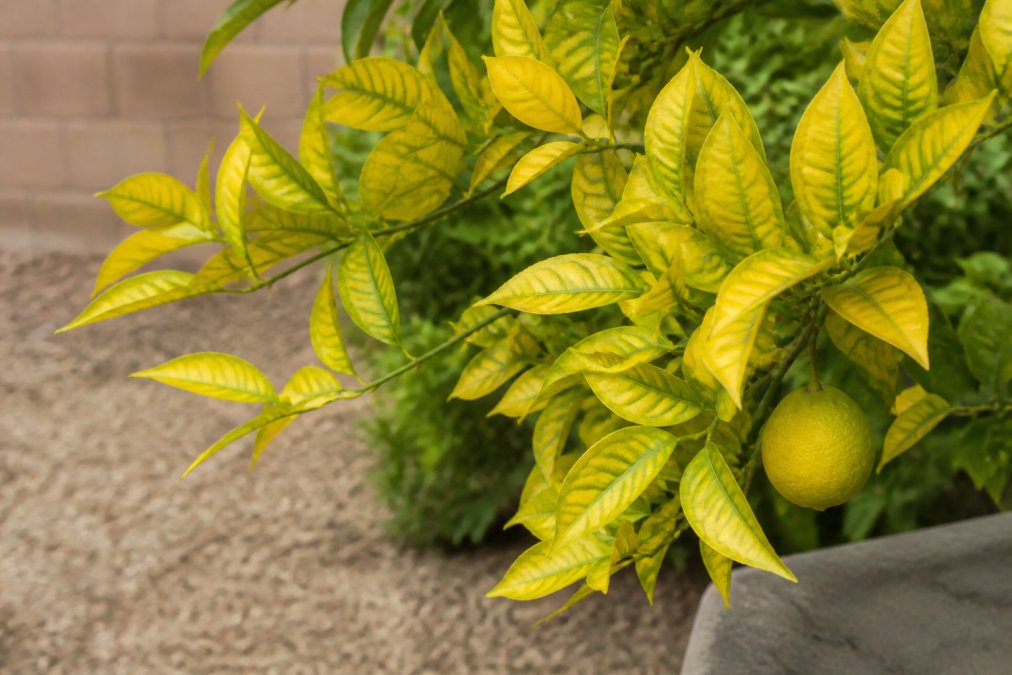
- Leaf is yellow but veins remain dark green (a web-like pattern): Iron chlorosis, usually from high soil pH.
- Yellowing starts at the leaf tips and edges, moving inward: Potassium deficiency.
- Yellow blotches or mottling between the veins on new growth: Zinc deficiency.
- Inverted V-shaped yellowing at the leaf base, with green tips: Magnesium deficiency.
- Uniform yellowing across the whole tree, including new growth: Often overwatering or root rot, not a nutrient issue.

Step 2: Check the Soil, Not Just the Leaf
Before you buy any fertilizer, rule out the two causes that mimic every nutrient deficiency: watering and pH.
- Feel the soil. Push a finger or a moisture meter 3 to 4 inches into the ground near the root zone. If it is soggy or smells sour, overwatering is your primary suspect. If it is bone dry and dusty, the tree may be drought-stressed.
- Test the drainage. Dig a 6-inch hole near the drip line and fill it with water. If it takes longer than 4 hours to drain, your soil is too compacted for healthy citrus roots.
- Run a quick pH test. A home soil test kit from any garden center gives you a reading in under 5 minutes. Citrus prefers a pH between 6.0 and 7.0 (edis.ifas.ufl.edu). Above 7.5, iron and zinc become locked out regardless of how much fertilizer you add.
Step 3: Inspect for Pests Before You Treat
Pests cause yellow spotting and leaf drop that is easy to mistake for a nutrient issue. Turn over a few yellowing leaves and look along the stems for:
- Scale: Small, brown, dome-shaped bumps that do not move.
- Spider mites: Fine webbing on the underside of leaves, often with tiny moving specks.
- Aphids: Clusters of soft-bodied insects on new growth, sometimes with sticky honeydew residue.
If you find any of these, skip the fertilizer and treat the pest problem first. Fertilizing a pest-stressed tree can push out tender new growth that attracts even more insects.
Step 4: Match the Symptom to the Fix
Use this decision tree to narrow your next action:
| Symptom Pattern | Most Likely Cause | First Action |
|---|---|---|
| Whole leaf pale, older leaves first | Nitrogen deficiency | Apply balanced citrus fertilizer with nitrogen |
| Green veins, yellow tissue between them | Iron chlorosis (high pH) | Foliar spray with chelated iron; test soil pH |
| Yellow tips and edges | Potassium deficiency | Apply potassium sulfate or citrus-specific fertilizer |
| Mottled yellow spots on new growth | Zinc deficiency | Foliar zinc spray |
| Uniform yellowing, soggy soil | Overwatering / root rot | Stop watering; improve drainage; check root health |
| Yellow spots plus webbing or bumps | Pest infestation | Treat with horticultural oil or insecticidal soap |
If you complete all four steps and the cause is still unclear, the next section breaks down each nutrient deficiency in detail so you can compare your leaf against the classic symptoms.
Citrus Tree Nutrient Deficiency Symptoms
Understanding why do citrus trees turn yellow often comes down to a lack of essential micronutrients, and in desert regions the culprit is almost always alkaline soil that locks those nutrients away.
Citrus tree nutrient deficiency symptoms follow a clear visual language. Nitrogen deficiency produces an overall pale green or yellow leaf across the entire canopy, starting with older leaves first. Magnesium deficiency creates an inverted V pattern of yellowing at the leaf base, while zinc deficiency causes mottled yellow spots between the veins on newer growth. Each deficiency needs a different amendment, so matching the symptom matters more than a general fertilizer dump.
Iron Chlorosis vs. Other Deficiencies
Iron chlorosis is the most common deficiency in alkaline desert soil, and it is easy to identify. The leaf turns yellow while the veins remain a distinct, dark green, creating a web-like pattern across the leaf surface. This happens because high soil pH, typically above 7.5, binds iron into a form the roots cannot absorb.
Treating iron chlorosis requires more than adding iron to the soil. A foliar spray with chelated iron delivers the nutrient directly through the leaf surface, bypassing the root uptake problem entirely. For a longer-term fix, soil amendments that lower pH will gradually make the native iron available to the tree again.
Overwatering and Root Rot: The Hidden Cause
While nutrient problems get most of the attention, overwatering is the quiet killer of citrus trees. Citrus roots need oxygen to function, and soil that stays constantly wet suffocates the root system, leading to root rot. Once roots begin to die, the tree cannot take up water or nutrients, and the leaves turn yellow as a result.
The symptoms of overwatering mimic nutrient deficiency, which is why so many homeowners treat the wrong problem. Yellowing leaves, stunted growth, and leaf drop all appear in both scenarios. The difference is in the soil. If the ground around the tree stays soggy days after watering, or if the tree sits in a pot without drainage holes, root rot is the likely diagnosis.
Container Trees vs. In-Ground Trees: Two Different Problems
Most overwatering advice lumps all citrus together, but the failure mode is completely different depending on where your tree lives.
Container-grown citrus fails for one of three reasons:
- No drainage holes or blocked drainage. A pot that holds water at the bottom creates a permanent anaerobic zone. Even if the top inch of soil feels dry, the roots sitting in the saturated layer below are slowly dying.
- Potting mix that has broken down. Most bagged citrus potting mixes last 12 to 18 months before the organic matter decomposes into fine particles that compact and hold water. If your tree has been in the same pot for more than two years, repotting with fresh mix is often the cure.
- A saucer that never empties. Water left standing in the saucer after each watering keeps the bottom of the root ball wet indefinitely.
In-ground citrus fails differently. The issue is rarely the soil itself but how water behaves around the root zone:
- Heavy clay soil drains slowly, keeping roots wet for days after a single irrigation.
- A buried root ball from planting too deep creates a bowl effect where water pools around the trunk.
- Automated irrigation running daily keeps the top few inches perpetually moist, which encourages shallow root growth and makes the tree more vulnerable to both rot and drought.
How to Confirm Root Rot Without Digging Up the Tree
A common pattern is that the tree looks thirsty, yellow leaves, drooping branches, so the homeowner waters more, which makes the problem worse. Before you dig, try these two checks:
- The scratch test. Use a fingernail to scratch the bark on a small branch near the trunk. Healthy tissue underneath is green and moist. Brown or black tissue indicates the rot has spread upward.
- The smell test. Dig down 4 to 6 inches near the root zone and smell the soil. A sour, rotten-egg odor means anaerobic bacteria are thriving, a sure sign of root rot.
The Recovery Protocol for Overwatered Citrus
If you confirm overwatering, act immediately:
- For container trees: Remove the tree from the pot, inspect the roots, and cut away any that are black, mushy, or foul-smelling with sterilized pruners. Repot in fresh, well-draining citrus mix in a pot with drainage holes. Do not water for 5 to 7 days.
- For in-ground trees: Stop all irrigation for 2 to 3 weeks, even if the leaves continue to yellow. The roots need time to dry out and regenerate. If your soil is heavy clay, consider installing a French drain or raising the planting mound for future trees.
The Container-Specific Watering Rule
For potted citrus, the calendar is your enemy. A 15-gallon pot in full sun can dry out in 2 days in summer, while the same pot in shade can stay wet for a week. Instead of counting days, use the lift test: pick up the pot after watering and note the weight. When it feels noticeably lighter, water deeply until water runs out the bottom. This physical check is more reliable than any moisture meter for container trees.
Schedule a Free In-Home Estimate →
A common mistake is watering on a fixed calendar schedule rather than checking the actual soil moisture. Stick a finger or a moisture meter two to three inches into the soil near the root zone. If it feels damp, skip the watering. If it feels dry, water deeply and then let the soil dry out before the next round.
Pests and Environmental Stress Factors
When nutrient levels and watering look correct, pests and environmental stress deserve a closer look. Scale insects and spider mites feed on citrus foliage and sap, weakening the tree and causing yellow spotting and leaf drop. These pests are small and often go unnoticed until the damage is visible, so inspect the undersides of leaves and along the stems for tiny bumps, webbing, or sticky residue.
Environmental stress also triggers yellowing. Citrus trees dislike sudden temperature swings, and in desert climates the shift from intense summer heat to cool winter nights can cause stress-related leaf drop. Transplant shock, wind damage, and even nearby construction that disturbs the root zone can all produce the same symptom.
Pest management for citrus in the desert requires treatments that protect the tree without harming the beneficial insects and local wildlife. Local Choice Pest &Landscape Nutrition offers targeted landscape nutrition and pest care designed for Arizona's specific conditions, using products that are safe for kids, pets, and desert wildlife.
The Right Citrus Tree Watering Schedule
A proper citrus tree watering schedule prevents more problems than any fertilizer ever will. Citrus trees prefer deep, infrequent watering that encourages roots to grow downward, rather than shallow, frequent watering that keeps the surface wet and invites root rot.
For mature in-ground trees in the desert, watering every 7 to 14 days during the growing season is a reasonable starting point, depending on heat and soil type. Container trees dry out faster and may need water every 3 to 5 days. The key variable is soil moisture, not the calendar.
| Tree Type | Watering Frequency (Growing Season) | Key Indicator |
|---|---|---|
| In-ground, established | Every 7-14 days | Soil dry at 4-6 inch depth |
| Container-grown | Every 3-5 days | Soil surface dry, pot feels light |
| Newly planted | Every 3-4 days for first month | Keep root ball moist, not soggy |
| Winter dormancy | Every 3-4 weeks | Reduce frequency significantly |
Adjust the schedule when temperatures spike above 105°F or when monsoon humidity arrives. Water quality also matters. Highly chlorinated municipal water or water with high salt content can damage soil biology over time, so periodic deep watering that flushes salts away from the root zone helps maintain tree health.
How to Lower Soil pH for Citrus Trees
Lowering soil pH is the long-term answer for iron chlorosis and other nutrient lockout problems in alkaline desert soil. Citrus trees prefer a soil pH between 6.0 and 7.0, but desert soils commonly test between 7.5 and 8.5. The higher the pH, the harder it is for the tree to absorb iron, zinc, and manganese.
Elemental sulfur is the standard soil amendment for lowering pH, but it works slowly and requires soil moisture and microbial activity to convert (extension.org). Apply it in the cooler months and work it into the top few inches of soil around the drip line, then water it in. Expect the process to take several months to show measurable change.
For faster results, combine soil sulfur with chelated iron applications. The chelated iron provides immediate relief to the tree while the sulfur works on the underlying soil condition. Mulching with organic material like compost also helps buffer soil pH over time and improves the cation exchange capacity that makes nutrients available to roots.
Recovery Timeline: What to Expect
Citrus trees do not green up overnight, and knowing the recovery timeline prevents you from overcorrecting and causing new damage. After you correct a nutrient deficiency or adjust your watering schedule, expect to wait 2 to 4 weeks before you see visible improvement in new growth. The older, already-yellowed leaves may never fully recover, which is normal. Focus on the new flush of growth, which should emerge with healthy green color.
If the problem was iron chlorosis treated with a foliar spray, you may see improvement in 1 to 2 weeks on new leaves. Soil treatments take longer, often 6 to 8 weeks, because the roots must grow into the amended soil. For root rot recovery, the timeline stretches to several months as the tree regenerates its root system, and you should reduce watering significantly during this period to give the roots room to recover.
Track your progress by photographing the same branch every two weeks. The visual record shows subtle changes that are easy to miss day to day. If you see no improvement after 6 to 8 weeks of consistent care, the problem may be more serious, and a professional soil test or on-site assessment is the next step.
Conclusion: Restore Your Tree's Green Leaves
Yellowing citrus leaves are a solvable problem when you diagnose the root cause instead of guessing. Check the yellowing pattern for nutrient clues, verify your watering habits, inspect for pests, and test your soil pH before you spend money on treatments that may not address the real issue.
For homeowners in the Arizona desert who want a confident answer without the trial and error, Local Choice Pest &Landscape Nutrition provides landscape nutrition services tailored to alkaline soil conditions. Our team understands the specific challenges of growing citrus in this climate, and we use Arizona-specific products that are safe for your family, your pets, and the desert wildlife around your property. Get started with a free in-home estimate and let us bring your tree back to full health.
Frequently Asked Questions
How do I fix yellowing leaves on my citrus tree?
First, identify the pattern. If the veins stay green but the rest of the leaf is yellow, it's likely an iron deficiency. If the whole leaf is pale, it could be nitrogen. For iron, apply a chelated iron foliar spray or soil drench. For nitrogen, use a slow-release citrus fertilizer. Check your watering schedule first, because overwatering prevents roots from taking up nutrients. Yellow leaves caused by root rot will not recover until you fix the soil drainage and let the root zone dry out.
What does an overwatered citrus tree look like?
An overwatered citrus tree often has leaves that turn yellow and drop, even when the soil feels wet. The leaves may look bloated or curled before they fall. You might also see new growth that is soft and pale. Overwatering suffocates the roots and leads to root rot. Before watering, insert a moisture meter or your finger up to two inches into the soil. If it's damp, wait. A consistent watering schedule is safer than watering on a fixed daily routine.
What does Epsom salt do for citrus trees?
Epsom salt supplies magnesium, which is a key part of the chlorophyll molecule. If your citrus tree has a magnesium deficiency, the older leaves will show yellow blotches or an inverted 'V' pattern while the leaf tip stays green. To fix this, dissolve one tablespoon of Epsom salt in a gallon of water and apply it to the soil around the tree's root zone. Trees in sandy or highly alkaline soil often need this supplement because magnesium leaches out quickly.
Should you water citrus trees every day?
No, citrus trees should not be watered every day. Daily watering keeps the soil too wet, which suffocates the roots and causes yellowing leaves. Instead, water deeply and less often. For a mature tree in the ground, water every 7 to 10 days during the hot season, letting the water soak down 2 to 3 feet. For trees in containers, wait until the top 2 inches of potting mix are dry. Adjust the schedule based on rainfall and temperature, not the calendar.